1. Safety check
Before sorting begins, the crew checks for hazards such as sharp objects, pests, mold and unstable piles. Protective gear is chosen to match.
Whitewater, WI · Walworth County
Where does a hoarder house cleaning begin? In Whitewater, it begins with listening. Call (877) 812-4220 and the team will talk about goals, safety hazards, sorting, hauling and a plan that fits the resident.
If anyone is in danger, call 911 first. For a suicide crisis, call or text 988.
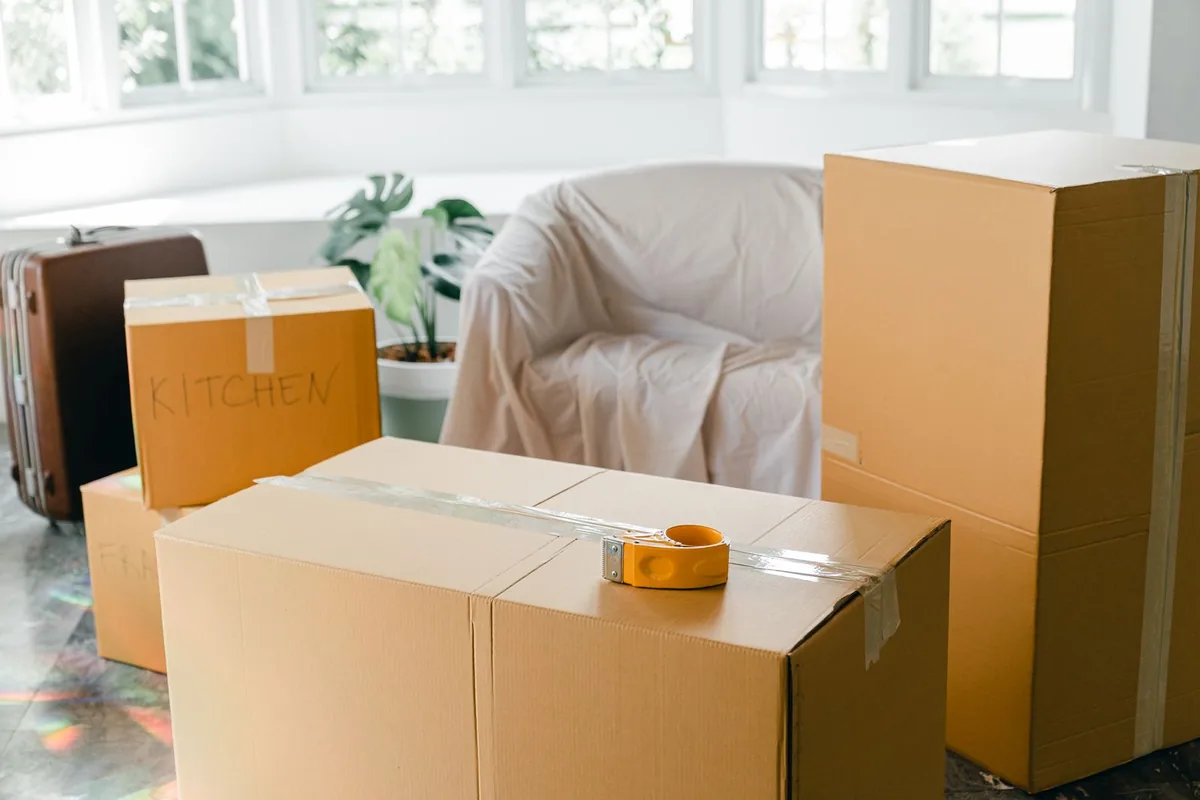
Hoarding cleanup services bring in people and equipment to do what is hard to do alone: protective gear, safe lifting, correct disposal and thorough cleaning. The result is a home that is safer and easier to use.
In Whitewater, you can get a cleanup that sorts, hauls and cleans without judgment. Families in Walworth County call about parents, siblings and their own homes, and the resident keeps a say over every item. Call Whitewater Biohazard Cleanup Help.
Fewer older adults in Whitewater live alone, about 26%, but a shared home can still be unsafe when exits and stairs are crowded. About 68% of households in Whitewater rent, so many hoarding cleanups here are driven by a lease, an inspection or a landlord deadline.
What hoarding cleanup covers:
Before sorting begins, the crew checks for hazards such as sharp objects, pests, mold and unstable piles. Protective gear is chosen to match.
Papers, photos, medicine, jewelry and keepsakes are gathered and kept safe. The resident can name anything that must not be moved.
Trash, recycling and donations are separated as the crew works. Larger items are planned for before lifting.
Floors, counters, sinks and bathrooms are cleaned and disinfected. Odor is treated at the source where possible.
Hoarding cleanup in Whitewater, WI typically costs $500 to $25,000, depending on the size of the affected area and the materials involved.
Deep cleaning, disinfecting and odor treatment add labor beyond sorting and removal. Kitchens and bathrooms usually take the longest to bring back to a clean state.
| Type of job | Typical range |
|---|---|
| Most homes, per square foot | $1 - $2 per square foot |
| Level 1, light | $500 - $1,500 |
| Level 5, severe | $10,000 - $25,000+ |
| Level 4 | $5,000 - $15,000 |
Figures are planning ranges from Dropcurb, Lifecycle Transitions, not a price for any specific Whitewater property. Price drivers include level of accumulation, home size, whether exits and rooms are blocked, pests or animal waste. Call (877) 812-4220 any hour.
Hoarding is often described in levels, and level one is the lightest. Clutter is present but exits and pathways are open, utilities work and rooms can still be used. Higher levels bring blocked rooms, sanitation problems and safety hazards.
Speak calmly, start with safety and ask what they want to keep. Avoid blame and surprises, and agree on a small first step. Many people feel more at ease once they know who will be in the home and what will happen.
Not always, but it often helps. When the resident is present, sorting goes more smoothly and decisions are respected. If the resident cannot attend, the family or caller can set clear rules about what is kept.
There is no single age. Hoarding behaviors can begin early in life and often become more noticeable over time, so many families only seek help later. A doctor can speak to an individual situation.
Often a lease or local housing or fire rules allow a landlord to set a deadline for safety. A tenant rights group, a code office or an attorney can explain what applies. A cleanup team can often work toward a deadline.
Yes. The resident decides what stays, what is donated and what is removed. Valuables, documents, photos and medicine are set aside first, and nothing leaves the home without agreement.
Call and ask how valuables, papers and keepsakes are kept safe.
Call (877) 812-4220